Mexican Music
Overview
Since I was young, I have played guitar, ukulele, and banjo, and I was always playing some different types of Mexican Music I heard my Grandpa playing. At that age, I was just copying what I was hearing and honestly had no idea what songs I was playing. All I knew was I loved the rhythm and the chords played on the guitar in those songs. When you asked me to explore a different type of music in this project, my mind immediately went back to my childhood with my Grandpa listening to Mexican Music on the radio, and then me playing it as we listened to it together.
What does Music explore in the Hispanic Culture?
Mexican music serves to celebrate life events, bring people together during hard times, preserve history through storytelling and instrumentation, and expression of cultural identity. In Mexico, it's very common to see bands playing in the street, or hear music in the parks or outside of stores. Music is extremely popular in Mexico, as music is a larger part of their culture.
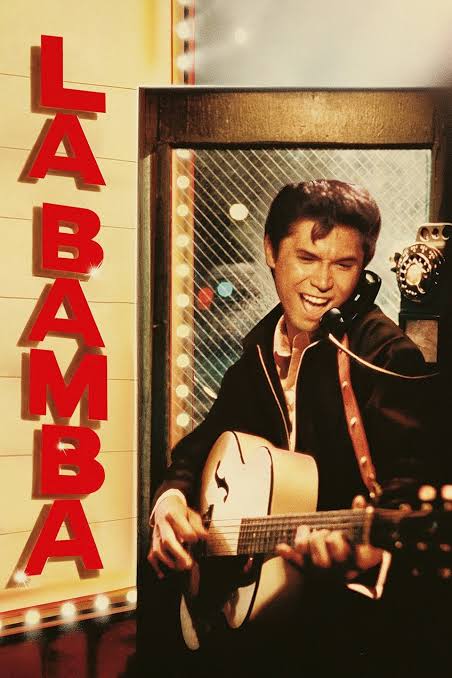
"La Bamba" was a classic song that my grandfather and I would listen to together. Then I went on to learning how to play it on my guitar, to playing it while camping around the campfire. It has always been a song that my family and I liked listening to for fun when we wanted some mix-up on the music. "La Bamba" was done in 1683 from Veracruz, but became widely known when Ritchie Valens covered it. It was one of the first Spanish-language songs to become a major hit in the U.S. It was a top 40 hit on the U.S charts and ranked 345 on The Rolling Stones. Then the song was covered in 1987 by Los Lobos for the soundtrack to the movie "La Bamba". The original "La Bamba" date of release is unknown and is unknown who wrote it . But Ritchie Valens' rock and roll version was realized in October 1958 in Mexico City.
Lyrics
The meaning of "La Bamba" is about the dance of "La Bamba", but it does translate to "to dance the Bamba, you need a little grace". I found that very interesting. I had never known that till now, as I have been listening to this song for so long. Many interpret this song differently, but the most popular way to interpret this song is seen as a metaphor for life and love. while others see it as a metaphor of confidence and self-importance from the line "Yo no soy marinero, soy captain," which translates to "I am not a sailor, I am the captain". When I think about the lyrics of this song, it reminds me of the great times singing this around the campfire when I play guitar.
Instrumentation
The Instrumentation of "La Bamba" uses many different instruments, making the song more complex. The traditional version of this song uses jacana jarocha, requinto jarocha, arpa jarocha (which are harps), violin, bass, tambourine, and tarima. While Ritchie Valens' cover of this song is a rock and roll song using electric guitar, bass, drums, and piano. In the U.S, we do not have harps in our music or much foot percussion. The harps add a sense of Hispanic Culture to the song.
Tempo
The Tempo of "La Bamba" is about 75 beats per minute(BPM), which is a slower tempo. What I enjoy about the slower tempo is that I can hear all the instruments in the song. While the cover of the song by Los Lobos is much faster at 157(BPM), as this version is rock and roll. Mexican music tends to have slower tempos, as ranchera and bolero are slower by nature, and most Mexican Music stems from them. Also, during most Mexican Music, they are telling a story with their lyrics and instrumentation, they slow down the music so you feel the entire story and understand the story they're sharing with you.
Rhythm
The Rhythm of "La Bamba" is very lively and upbeat by nature. The song is Mexican Son Jarocho style, often played in 2/4 time with a syncopated feel to it. I really enjoy the rhythm of this song because it becomes very catchy, and it is so much fun to play on the guitar or ukulele. The Rhythm of this song is also fun because its an easy song to get up and dance too, as their is also a dance that goes with this long.
"La Nave del Olvido"
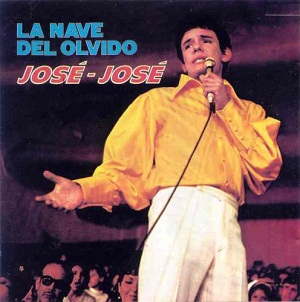
"La Nave del Olvido" was another classic song we listened to in my household. And this was one of my Grandpas favorite songs to listen to when he worked in his garage. I always found this song to have a sad sound to it as he is telling his story through it. The way he holds his notes when he sings makes the song sound very heartfelt and vulnerable. This song was written and recorded by Jose Jose in 1970 in Mexico.
Lyrics
The title translates to 'The Ship of Oblivion", he is pleaing for his lover to wait and not leave him. The lyrics share the fear that he would die of heartbreak if his loved ones leave him. The song pulls at your heartstrings, which makes me feel like I am living his story through his voice. I love how he shows the depth of pain he was in, but the song still was catchy and made me think about it after listening to it. In Mexican Culture it's very common to tell a story throughout their song, and this song did an amazing job showing his fear of heartbreak.
Instrumentation
The instrumentation of "La Nave del Olvido" features orchestral arrangements, piano, strings, guitar, drums, and foot percussion. The instrumentation was more background during the song so the lyrics shined throughout the song. I think by having the instrumentation behind the voice, he was able to really share his story by holding his voice.
Tempo
The Tempo of "La Nave del Olvido" is about 67 BPM. By having a slower tempo, you're able to grasp the story Jose Jose is giving us throughout his impressive vocal performance. It's very common for Mexican Music to have a slower pace to it as there able to share their stories through their music, which Jose Jose is doing with his song "La Nave del Olvido".
Rhythm
The Rhythm of "La Nave del Olvido" has a very distinctive 3/4 rhythm. Having the rhythm at 3/4, it gives the song a waltz like feel, which makes it a great song to slow dance to as well. The emotional connection comes from the rhythm of the amazing vocal performance by Jose Jose.
Work Cited
“La Bamba (Song).” Wikipedia, Wikimedia Foundation, 20 Oct. 2025, https://en.wikipedia.org/wiki/La_Bamba_(song)
Serg Childed ;Posted: September 15, and Serg Childed. “La Nave Del Olvido: Decoding the Lyrics and Meaning behind the Famous Latin Ballad.” Music Tales, https://musictales.club/article/la-nave-del-olvido-decoding-lyrics-and-meaning-behind-famous-latin-balladAccessed 26 Oct. 2025.
lehmer, Larry. “La Bamba”—Ritchie Valens (1958) Added to the National Registry: 2018, https://www.loc.gov/static/programs/national-recording-preservation-board/documents/LaBamba.pdf Accessed 26 Oct. 2025.
Florini ; Posted: February 12, and Florini. “La Bamba: Meaning and Tragedy behind the Best-Known Son Jarocho.” Music Tales, https://musictales.club/article/la-bamba-meaning-and-tragedy-behind-best-known-son-jarocho Accessed 26 Oct. 2025“
Hi Gabby,
ReplyDeleteIt was a powerful experience to learn about Mexican music through your grandfather's story. You were able to show how important music is to Mexican culture, especially how it can bring people together and tell stories.
Your comparison of the original and cover versions of "La Nave del Olvido" and "La Bamba" in terms of tempo and instrumentation was intriguing, and your analysis of both songs was crystal clear. Your use of José José's voice to accompany the lyrics of "La Nave del Olvido" was very effective. To back up your claims, you can include brief, time-stamped YouTube links to listen to individual instruments, like the harp in "La Bamba" or the orchestral swells in "La Nave del Olvido." Get to the harp part of "La Bamba" right now. Help your audience associate the sounds you're describing with those sounds.
I really enjoyed reading your post! I especially connected with how you described your musical memories with your grandpa! It is so amazing how music can tie generations together like that. I also liked how you highlighted the contrast between the traditional Son Jarocho instrumentation of “La Bamba” and the rock and roll style of the Ritchie Valens’ version. My only connection with Mexican music is my good friend had his mother old Luis Miguel Romance album stuck in his hand me down car’s CD player. It showcased the blend of traditional storytelling and how the genre has evolved overtime. Well, as far as he translated it to me anyways. We did eventually print out all the lyrics to every song.
ReplyDelete